
Welcome to the "Keep Paxos Xylella-Free" Awareness Campaign landing page!
Its mission is to protect the island's natural heritage from Xylella Fastidiosa (Xylella for short) by raising public awareness and by promoting actions on the grounds of Protection, Prevention and Early Detection.
TOGETHER, we can protect the natural beauty of Paxos, preserve its economy and safeguard the community well-being from the threat of Xylella.
Xylella in a Nutshell


In late 2013, Italian researchers noticed something alarming in the Apulia region of Southern Italy: olive trees were rapidly dying, and no one knew why. This mysterious condition, which caused the trees to wither and die quickly, was named Olive Quick Decline Syndrome, or OQDS for short.
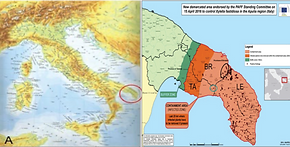
By the end 2015 it was clear that Xylella Fastidiosa, a harmful bacterium, was responsible for causing OQDS in olive trees. Once infected, the tree can die within months, causing irreversible damages to biodiversity, to olive oil production and to the social and economic condition of local communities.
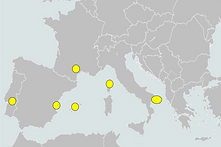
Since then, Xylella has become a major threat to important crops in Europe with presence in Southern Italy, France (Corsica) and Spain (Balearic islands and Alicante).
In all infected areas phytosanitary measures aiming at the eradication or containment of the disease have being taken.
To this date Greece has not reported any Xylella infection.

-
Scientists are trying different approaches, like suppressing infected plants, using advanced biological tools, or targeting the bacterium and its insect carriers.
-
Despite massive investments from both the public and private sector, no solution has been found yet in order to protect and safeguard the existing iconic olive tree across the Mediterranean basin.
-
To this date, treatments able to completely recover infected plants are not available (EFSA, 2019).
How it Works
Xylella lives in two places:
1) inside certain insects which we call the VECTOR. The spittelbug Philaenus Spumarius is known as the main Xylella vector which can carry it from one plant to another, where it grows and causes damage. Hundreds of adults can be found on a single olive tree, a very high percentage of which (70-80%) may have the bacterium.
2) inside certain plants, which we call the HOST. Xylella is a tricky pest to deal with because it can harm over 650 host plants.
Xylella is a bacterium that lives in the xylem, the water-conducting tissue of plants. Once a plant is infected, Xylella blocks the flow of water and nutrients, causing leaves to scorch and branches to die. In severe cases, the entire plant may perish within a few months.

Xylella Symptoms
Leaf scorch and browning
Wilting and dieback of branches
Stunted growth
Reduced fruit production
AT MASSIVE SCALE !


Why Act Now?
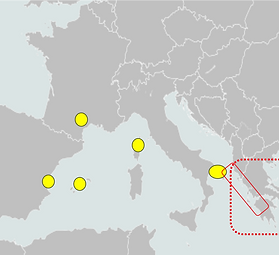
Proximity of entry points with massive traffic (ports)
Although Greece has not yet reported any case of Xylella, its western coast (Ionian islands, Epirus and the Peloponnese) have international ports with direct connections to Italy's quarantined regions where Xylella is still very active.

Paxos is perfect for Xylella to thrive
Research suggests that the vector's reproduction is favoured in abandoned groves (like Paxos) and that the bacterium is more virulent in old and non-productive trees (like Paxos) Vs younger and vigorous ones.

The Perfect Storm
Therefore, the proximity to the infected areas, the introduction of trees from there along with the salvage vegetation on Paxos makes for the dream setting for Xylella!
Xylella Impact
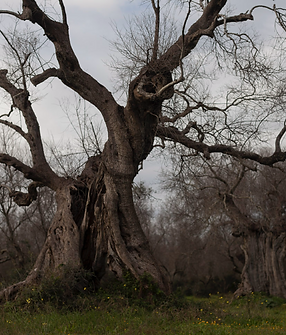
Environmental Impact
-
Loss of iconic trees, including olive, citrus trees and grapes
-
Disruption of natural ecosystems and biodiversity
-
Soil erosion and landslides

Economic Impact
-
Devastating blow to the tourism industry, the backbone of the local economy
-
Economic hardship for every economic activity on the island (Horeca, transportations, rent-a-car, other services, etc)

Social Impact
-
Locals (youngsters) will desert the island
-
Erosion of cultural heritage and community identity
-
Mental health issues across all ages
How can we Protect Paxos from Xylella?
Only together will we be able to protect, prevent and hopefully save Paxos from Xylella!
Assuming Xylella has not yet penetrated Paxos, the best, actually the BEST protection, is for Xylella NOT TO ENTER.
Please find below a non-exhaustive proposed initiatives. Fee free to reach out to us by email to suggest more actions.
(see contact details below)

AWARENESS
(know what's coming)
-
Communicate on the island across locals and tourists
-
Reach out to other regions to learn from their experience
- Create an ecosystem of collaborations with multi-disciplinary stakeholders

PROTECTION
(keep Xylella out of Paxos)
-
Control the introduction of olive trees at Paxos' port (!)
-
Reach out to Igoumenitsa's port authority to do the same
-
Perform sample tests on the ground and assess the vector's current density

PREVENTION
(minimise the impact)
-
Clean the abandoned groves
-
Be vigilant for symptoms
-
Prune the olive trees, keep them healthy and make them productive again